
Gastric Bypass Turkey
Gastric bypass is one of the most effective metabolic surgeries for long-term weight loss and diabetes control, but in many countries, the cost of treatment makes the procedure difficult to access. This is why thousands of patients choose Turkey for their gastric bypass surgery each year. With highly experienced bariatric surgeons, modern hospital standards, and comprehensive all-inclusive packages, Turkey offers a safe and affordable destination for life-changing results.
The average cost of gastric bypass in Turkey ranges between €3,500–€6,500, including all medical fees and accommodation. Once you decide to come to Turkey for gastric bypass, your entire journey is organised step by step; from airport transfers to medical tests, surgery, hotel stay, and follow-up.
With experienced bariatric surgeons, modern facilities, and a streamlined treatment system built for international patients, Turkey offers a safe, efficient, and cost-effective option for those seeking long-term metabolic and weight-loss improvement.
What Is Gastric Bypass Surgery (Roux-en-Y)?
Gastric bypass (Roux-en-Y) is a metabolic bariatric operation where the stomach is reshaped into a small pouch and connected directly to the small intestine. This rerouting changes both the way food travels and how nutrients are absorbed.
Because the new pouch holds far less food, the procedure is restrictive, and since part of the intestine is bypassed, it is also malabsorptive. Together, these mechanisms lead to significant, long-term weight loss and powerful metabolic effects, especially on blood sugar regulation.
Compared with gastric sleeve, bypass is more effective for patients with severe reflux or uncontrolled type 2 diabetes, while still delivering strong hunger control and hormonal benefits.
How Does Gastric Bypass Trigger Metabolic Change?
Gastric bypass triggers metabolic changes by rerouting part of the small intestine. The Roux-en-Y surgery shifts how gut hormones are released, how quickly nutrients reach the intestine, and how the body processes glucose. As a result, hunger decreases, satiety increases, and blood sugar stabilizes.
Patients, especially those with type 2 diabetes, experience improved insulin sensitivity within hours to days after surgery, long before major weight loss begins. It’s this combination of anatomical change and hormonal recalibration that makes gastric bypass one of the most effective metabolic surgeries worldwide.
How Do the Hormones Regulate After Gastric Bypass Surgery?
Gastric bypass immediately alters the way the gut releases key metabolic hormones.
- Ghrelin decreases, which reduces physical hunger and makes appetite easier to control.
- GLP-1 increases sharply, improving satiety, stabilizing blood sugar, and supporting insulin secretion.
- Insulin resistance improves, within 24–72 hours after surgery, even before weight loss begins.
Overall, the body shifts into a more balanced metabolic state. One of the reasons gastric bypass is considered a gold-standard treatment for obesity and type 2 diabetes.
How Does Nutrient Absorption Change After Gastric Bypass?
Because part of the small intestine is bypassed during gastric bypass surgery, the body absorbs fewer calories, but also fewer nutrients.
- Some vitamins and minerals require lifelong supplementation, especially B12, iron, calcium, folate, and fat-soluble vitamins.
- Patients must follow a structured diet plan to maintain healthy digestion and avoid deficiencies.
- Despite these requirements, the malabsorptive component is exactly what boosts long-term weight-loss success and metabolic improvement.
What Are the Steps of the Gastric Bypass Procedure in Turkey?
In Turkey, the gastric bypass procedure follows a structured, well-standardized process designed to maximize safety and long-term success. Here’s how the gastric bypass procedure goes in Turkey:
- Pre-operative Assessment: Before surgery, patients undergo a full medical evaluation, including blood tests, imaging, and consultations with a bariatric surgeon and anesthesiologist.
- Anesthesia and Preparation: On the day of surgery, general anesthesia is administered. The abdomen is then sterilized and prepared for a minimally invasive, laparoscopic approach.
- Creation of the Small Stomach Pouch: The surgeon divides the upper portion of the stomach to create a small pouch.
- Rerouting the Small Intestine (Bypass Step): A section of the small intestine is brought up and connected directly to the new stomach pouch.
- Closing and Final Checks: The surgeon inspects the surgical area for bleeding or leaks, then closes the incisions. Because the procedure is laparoscopic, scarring is minimal and recovery is generally faster.
- Post-operative Monitoring: After surgery, patients stay under observation for monitoring, pain control, and early mobilization, which helps reduce complications.
How Long Does Gastric Bypass Surgery Take in Turkey?
Gastric bypass is a carefully coordinated laparoscopic procedure that takes between 1.5 – 3 hours. The exact duration depends on the patient’s anatomy, whether there are previous abdominal surgeries, and the surgeon’s technique.
After the surgery, patients usually spend 1–2 hours in the recovery unit before being transferred to their private hospital room.
As gastric bypass surgery is minimally invasive, it requires two nights of hospital stay. After discharge, you will be able to go back to your hotel, rest for a couple of days, and go back home.
In total, gastric bypass surgery requires 4-5 days in Turkey for pre-surgery assessments, surgery itself, hospital stay, and hotel rest.
How Much Does Gastric Bypass Surgery Cost in Turkey?
The cost of gastric bypass in Turkey ranges from €3,500 – €6,500. This price quotes all-inclusive packages. That’s why the bypass cost in Turkey is significantly lower than in Western countries, but the quality of care remains high thanks to experienced bariatric surgeons and accredited hospitals.
| Country | Average Cost | Notes |
| Turkey | €3,500 – €6,500 | All-inclusive, hospital + hotel + transfers |
| United Kingdom | €9,000 – €15,000 | Surgery only, no aftercare package |
| United States | €18,000 – €30,000 | Highest global cost, depends on insurance |
| Europe | €12,000 – €18,000 | Hospital fees vary widely |
The reasons for this wide range of gastric bypass costs worldwide are surgeon expertise, hospital accreditation, the economy of the country, and wages.
Turkey is more affordable mainly because the operational cost is lower, meaning the staff, hospital maintenance, and medical supplies cost less (even though they come from the U.S.). The Turkish government supports medical tourism and helps clinics, surgeons, and hospitals financially. The exchange rate is massive. That means even though the surgery is highly expensive for Turkish citizens, they are very cost-effective for international patients.
What’s Included in an All-Inclusive Gastric Bypass Package?
A gastric bypass package in Turkey includes pre-op, surgery, and post-op phases, including accommodation, transportation, and hospital fees.
- Pre-operative blood tests, ECG, chest X-ray, and necessary scans
- Gastric bypass surgery (Roux-en-Y) with all surgical materials
- General anesthesia and operating room fees
- 4–5 days of hospital stay in a private room
- 24/7 nursing care during hospitalization
- Post-op medications (painkillers, anticoagulants, stomach protectors)
- Dietician consultation + postoperative nutrition plan
- Medical reports and test results
- VIP airport transfers (airport–hospital–hotel–airport)
- 4–5 star hotel stay (including your companion)
- Compression socks & abdominal binder
- Translation services in your native language throughout your stay
- 12-month remote follow-up with surgeon or dietician
Why Do Patients Choose Gastric Bypass in Turkey?
Patients choose Turkey for gastric bypass surgery because it combines strong medical standards with significantly better affordability.
The main advantage is surgical experience. Turkish bariatric centers perform a high volume of metabolic operations every year, which naturally improves outcomes, reduces complication rates, and standardizes safety protocols.
The medical tourism structure makes the entire journey easier: coordinated transfers, hospital–hotel planning, translators, and 12-month follow-up support remove a lot of stress for international patients.
Many patients also come specifically for the metabolic benefits of gastric bypass (diabetes remission and hormonal regulation) and prefer Turkey’s centers because surgeons here are familiar with complex cases and revision procedures.
In short, it’s a mix of expertise, cost-effectiveness, and a streamlined patient journey that makes Turkey a strong choice.
What Are the Benefits of Choosing Gastric Bypass Surgery in Turkey?
Travelling to Turkey for a gastric bypass offers more than cost advantages. Patients highlight how smooth, organized, and medically safe the entire process feels compared to other countries. The system is built around international patients, so everything from transfers to follow-up is structured to make the experience easier and less stressful. Key benefits include:
- Access to high-volume bariatric surgeons who perform metabolic procedures more frequently and have strong outcome data.
- Advanced hospital standards (JCI- or ISO-accredited facilities, fully equipped bariatric units).
- All-inclusive treatment packages make budgeting easier and eliminate hidden costs.
- Fast scheduling with no long waiting lists, surgery can be planned within weeks instead of months.
- Specialized care for complex cases, including revision surgeries and metabolic disorders.
- Integrated medical tourism support, including VIP transfers, interpreters, hotel–hospital coordination, and structured follow-up.
- Better cost–value ratio, as patients receive premium-level care for a fraction of UK, US, or EU pricing.
- Strong aftercare culture, with 12-month monitoring, dietitian support, and accessible communication channels.
Who Is a Suitable Candidate for Gastric Bypass in Turkey?
In Turkey, candidacy assessments follow the same medical criteria used in the US and Europe, ensuring patients are selected safely and appropriately. The eligibility is determined by bariatric surgeons based on international guidelines. You may be a suitable candidate if you have:
- A BMI of 40 or higher, regardless of additional health conditions.
- A BMI of 35–39.9 with at least one obesity-related condition (type 2 diabetes, hypertension, sleep apnea, PCOS, fatty liver, joint problems).
- Type 2 diabetes that is difficult to control, especially when metabolic improvement is a primary goal.
- Failed long-term weight-loss attempts, despite structured diets and medical treatments.
- Severe acid reflux (GERD) or conditions where gastric sleeve is not recommended.
- Previous sleeve gastrectomy with insufficient weight loss, where gastric bypass is medically indicated as a revision.
- No active addictions (alcohol/substances), as these increase surgical risk.
- The ability to follow long-term lifestyle changes, including supplementation and medical follow-up.
What Are the Gastric Bypass Safety Standards in Turkey for Complications?
Turkey follows the same international bariatric safety standards used in the US and Europe, and most high-volume bariatric centers even exceed them due to the sheer number of surgeries performed each year. Complications can happen with any bypass surgery anywhere in the world, but Turkish hospitals minimize risks through strict protocols, advanced equipment, and teams that perform these procedures every week. Safety standards in Turkey include:
- JCI or ISO-certified operating rooms
- 24/7 bariatric-trained nursing staff
- Mandatory pre-op tests (bloodwork, imaging, cardiac eval)
- Dietitian-guided postoperative care
- In-house emergency teams specialized in bariatrics
What Are Possible Complications of Gastric Bypass?
Every surgery that is done under anesthesia carries complication risks; however,they can be minimized with the surgeon’s experience and surgical technique. Here is the list of the possible but rare complications:
- Staple line leaks
- Bleeding
- Infection or abscess formation
- Blood clots (DVT/PE)
- Dumping syndrome
- Ulcers
- Internal hernias
- Late strictures
- Small bowel obstruction
- Gallstones: caused by rapid weight loss.
What Is the Recovery Timeline After Gastric Bypass in Turkey?
Recovery after gastric bypass in Turkey follows a structured plan supported by bariatric nurses, dietitians, and your surgeon. While every patient heals at their own pace, most international patients experience a predictable progression that makes it possible to travel safely, return to daily routines, and adapt to their new metabolic state with confidence.
- Days 1–2: Hospital Recovery – Patients stay in the hospital under 24/7 supervision. Pain and nausea are controlled, IV fluids maintain hydration, and nurses monitor vitals, mobility, and early metabolic responses. Walking begins within hours, helping reduce the risk of blood clots and easing gas discomfort.
- Week 1: Early Home/Hotel Recovery – Once discharged, patients remain in Turkey for several days. They follow a clear-liquid diet, continue gentle walking, and rest. Fatigue and mild abdominal tightness are normal. The medical team performs daily checks or remote monitoring, depending on the clinic’s structure.
- Weeks 2–4: Soft-Food Phase – Patients return home and shift to soft, protein-focused foods. Energy gradually increases, and light activity becomes easier. Most return to desk jobs during this period. Stitches dissolve naturally unless otherwise instructed.
- Weeks 4–6: Solid-Food Transition – Solid foods are slowly reintroduced. Exercise becomes more structured (walking, light cardio, and gentle stretching). The weight loss becomes noticeable.
- 3 Months and Beyond: Long-Term Adaptation – By this stage, patients have stable eating habits, improved energy levels, and consistent weight loss. More intense exercise routines begin, and dietary habits are fine-tuned with the help of the dietitian. Hormonal improvements and metabolic stabilization continue for up to 18 months.
What to Expect During Your Medical Journey in Turkey
First, a private driver will pick you up at the airport and escorts you directly to your hotel or hospital. Your medical coordinator will be in touch with you every step of your journey.
After resting a little, you will undergo a medical evaluation which includes full blood tests, ECG, chest X-rays, abdominal ultrasound, and a surgeon consultation. You will meet your surgeon face-to-face before this step.
When everything is approved by your surgeon, you will be prepared for the surgery. You will be taken to a room for anesthesia. Then, you will undergo your gastric bypass surgery.
You will wake up in your private hospital room with your companion. Nurses will come and check on you. When you feel ready, you need to start your mobility, which includes slow walking and climbing up stairs slowly. Someone from the medical team or your companion can help you.
Once discharged, you will go to your hotel room via VIP transportation. At the hospital, a nurse will visit you. You will be provided with broths, soft beverages that is prepared by a private bariatric chef.
Before returning home, the surgeon will perform a final exam and will explain diet stages, activities you can do, medication schedules and supplements, warning signs to monitor, and the follow-up structure.
You will be taken to the airport via VIP transportation.
How Should You Prepare Before Flying to Turkey?
Some clinics provide personalized pre-op diet instructions if the patients need it, but the following essentials apply to every patient, regardless of where they fly from. Before coming to Turkey, avoid sugary drinks, fatty foods, bread, pasta, rice, and alcohol. Stopping smoking two weeks before will be better for the surgery and for healing.
Bring only what you truly need during your hospital and hotel stay:
- Comfortable loose clothing (zip-up or button-up tops are ideal)
- Slip-on shoes
- Travel documents and ID/passport
- Your regular medications (with written prescriptions)
- Phone, chargers, and medical travel documents
- A small shoulder bag to carry items during hospital walks
- Light toiletries (hospital provides basics)
- Medical documents (current medications and medical history)
- Book flexible flights in case the clinic recommends an extra night of stay.
- Do not fly on the same day as surgery. Plan to arrive at least 1 day earlier for your pre-op tests.
- Arrange someone to accompany you if possible ( companions are welcomed in Turkish hospitals and hotels.)
What Are Alternatives to Gastric Bypass Surgery in Turkey?
Gastric bypass isn’t the only weight-loss procedure available in Turkey. Depending on your BMI, medical needs, and goals, surgeons may recommend one of several alternatives, either to restrict food or metabolic interventions..
Sleeve gastrectomy (gastric sleeve) is the most common alternative to gastric bypass in Turkey. It involves removing about 80% of the stomach without altering the intestines, making it a simpler surgery while still offering significant, long-term weight loss.
Transit bipartition is a metabolic surgery used for severe obesity or uncontrolled Type 2 diabetes. The stomach remains intact, but an additional intestinal pathway is created to enhance metabolic improvement and support strong weight loss.
Revision bariatric surgery is suitable for patients who previously had weight-loss procedures but experienced inadequate results or complications. The goal is to correct the existing surgery or convert it to a more effective procedure.
A gastric balloon is a non-surgical, temporary option. A soft balloon is placed into the stomach via endoscopy and left for 6–12 months, helping patients feel full with smaller portions.
Gastric Botox is another non-surgical treatment. Botox is injected into the stomach muscles to slow gastric emptying, which prolongs fullness and reduces appetite.
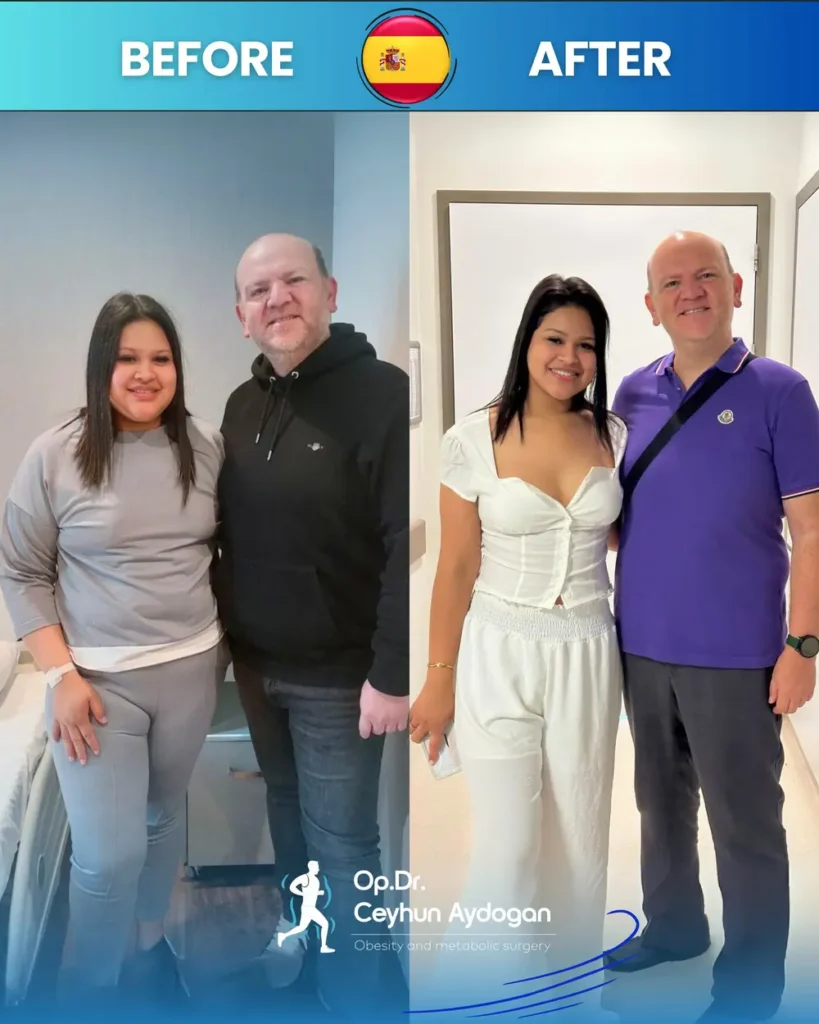
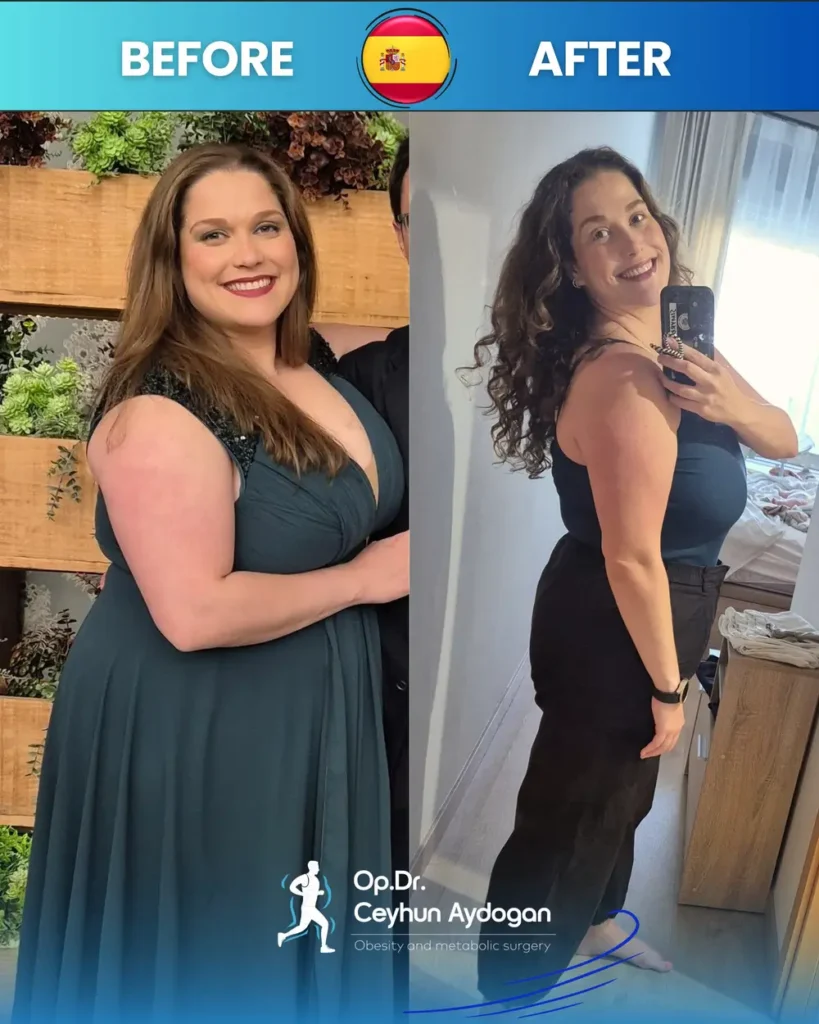
How Do the Gastric Bypass Before–and–After Results Look Like in Turkey?
Patients who undergo gastric bypass in Turkey typically experience both noticeable physical transformation and significant internal health improvements. Visually, most people lose a large portion of their excess weight within the first year, leading to a slimmer body shape, improved mobility, and increased confidence.

How to Choose the Right Bariatric Clinic in Turkey
Selecting the right clinic is one of the most important steps in your gastric bypass journey. Because Turkey has many bariatric centres, focusing on a few key criteria can help you separate safe, high-quality options from those that should be avoided.
- Surgeon expertise: Choose a surgeon who performs bariatric surgery regularly and is experienced in managing both primary and revision procedures. You can check that through Google reviews and their social media.
- Hospital accreditation (JCI, ISO): Accredited hospitals follow strict international standards for hygiene, emergency readiness, and surgical safety.
- Clear pre-op testing and follow-up: Reliable clinics provide a full pre-operative assessment (bloodwork, imaging, anaesthesia evaluation) and offer structured long-term follow-up after you return home.
- Transparent safety protocols: Ask about leak tests, DVT prevention measures, early mobilisation routines, and infection control standards.
- Real patient reviews and case examples: Look for genuine testimonials, before/after results, and patient videos that demonstrate consistent, verifiable outcomes.
Is Gastric Bypass in Turkey Worth It?
Yes, coming to Turkey for gastric bypass is worth it, mainly because the quality–cost ratio is unmatched. Your health is more important than anything, and Turkey offers a unique combination that many countries simply cannot provide: cost-effective pricing paired with European-standard surgical care and medical equipment sourced from the US.
In countries like the United States, gastric bypass is extremely expensive, which often limits patient access. As a result, many surgeons perform fewer procedures each year. In contrast, Turkey’s affordability allows more patients to receive treatment, and this directly increases surgical experience. High-volume practice means Turkish bariatric surgeons refine both their technique and decision-making more consistently, contributing to safer procedures and better outcomes.
For patients seeking a reliable, medically advanced, and financially accessible solution, Turkey remains one of the most practical and trustworthy destinations for gastric bypass surgery.
Why Choose Turkey for Gastric Bypass?
Choosing Turkey for gastric bypass goes beyond affordability; it’s about receiving high-quality medical care in a streamlined, patient-focused environment. Turkey has become one of the world’s leading destinations for bariatric surgery thanks to its experienced surgeons, modern hospitals, and medical tourism structure designed specifically for international patients.
Patients appreciate how smoothly the entire process runs: airport pickups, coordinated hospital–hotel arrangements, translation support, and comprehensive aftercare all remove stress and uncertainty. Surgical standards match those in Europe and the US, while the cost remains significantly lower, making advanced metabolic procedures accessible to more people.
With strong safety protocols, high surgical volumes, transparent follow-up programs, and a reputation for excellent patient satisfaction, Turkey offers a combination of expertise, comfort, and value that is difficult to match elsewhere. For many patients, it becomes the ideal place to start their long-term weight-loss and health-improvement journey.
Contact Us