Autoimmune disorders after gastric bypass: exploring the impact

By UncategorizedNo Comments

You may have heard the rumors about gastric bypass causing autoimmune diseases. But did you know that actually, symptoms of autoimmune disorders after gastric bypass can be subsided?

Due to increasing obesity in the worldwide population, the number of autoimmune disorders has also risen. These immune disorders can also disrupt weight loss. This is where gastric bypass can help with weight loss and can help subside the symptoms of autoimmune disorders after gastric bypass. Keep in mind that gastric bypass cannot cure these diseases but it can help manage them greatly.

How do autoimmune disorders disrupt weight loss?

Before, getting into how autoimmune diseases disturp weight loss, we need to talk about how excess weight and these diseases are associated. According to prospective studies, the risk of developing autoimmune disorders like rheumatoid arthritis, multiple sclerosis, psoriasis, and psoriatic arthritis increases along with increasing weight. And could also promote the occurrence of Inflammatory bowel diseases, and type 1 diabetes. Obesity can also worsen the symptoms of said autoimmune diseases and other autoimmune disorders, such as Addison’s Disease and celiac disease.

Autoimmune disorders can disrupt weight loss in several ways. They can be inflammation, autoimmune disorder medications, hormonal imbalances, fatigue and reduced physical activity, and nutrient deficiencies.

You may wonder “Can Roux-en-Y gastric bypass surgery improve autoimmune system?” Let’s review.

When autoimmune diseases are present, it can be harder to lose weight. And the symptoms may start to affect your daily life negatively. In these cases, gastric bypass can help subside the symptoms of these autoimmune diseases significantly. As a result, you can see significant changes in your overall health with autoimmune disorders after gastric bypass. If you wish to have the surgery, you should consult your healthcare provider to prepare a unique post-op diet and exercise plan to tailor to your needs and health status.

On rare occasions, the adrenal glands do not produce enough hormones such as cortisol and aldosterone. This occurrence is called Addison’s disease. These hormones help regulate blood pressure, blood sugar, and immune response. In short, their absence or lack thereof affects the body negatively.

Some medications like glucocorticoids used to manage this disorder have the potential to lead to weight gain and obesity. Obesity does not directly affect or increase the risk of Addison’s disease. However, it can worsen the symptoms. Maintaining a healthy weight is important if you have Addison’s disease.

This autoimmune disorder can also make it hard to lose weight as it can also affect the way the body responds to stress, such as physical activities. And when it’s combined with excess weight, hence more inflammation, it can stress the body more. On this occasion, gastric bypass can help people with Addison’s disease lose weight. The weight loss months after surgery can help improve their overall health and you may also need less dosage of corticosteroid medication, which can decrease the risk of its side effects in long-term use.

Type 1 diabetes is a mostly hereditary, chronic autoimmune disorder. The body’s immune system attacks the cells in the pancreas that produce insulin and destroys them. As a result, the person with Type 1 diabetes has built up glucose in their bloodstream due to the lack of insulin.

Being overweight can make it a little harder to control blood glucose levels in patients with Type 1 diabetes. It can also increase insulin resistance –which disrupts weight loss–, along with the risk of developing health issues like cardiovascular diseases, high blood pressure, high cholesterol, etc.

So, what can gastric bypass do? Does gastric bypass cure type 1 diabetes? Unfortunately, no. Currently, there is no cure for type 1 diabetes. But gastric bypass can help with Type 1 diabetes by improving insulin sensitivity via weight loss induced by smaller portions and less calorie intake. It can also help reduce insulin resistance, indirectly improves blood glucose levels, and causes rapid weight loss.

Multiple sclerosis is a progressive, chronic autoimmune disorder. It affects the central nervous system. The immune system attacks the protective layer around the nerve fibers. It can cause inflammation. Due to this, it can result in fatigue, numbness, muscle spasms, balance problems; vision, speech, and bladder problems. These symptoms can worsen over time.

Being overweight can further worsen the symptoms of multiple sclerosis, indirectly causing the damage to nerve fibers also decline. Being overweight can also make it harder to manage the symptoms. This can make mobility and physical activities hard to perform.

Symptoms of multiple sclerosis after gastric bypass can be subsided due to weight loss. As one loses weight, the stress on the body, inflammation, and limited mobility improves. This indirectly causes the quality of life to also improve. Don’t forget that bypass procedure can also help with weight-related health issues.

Rheumatoid arthritis is a chronic joint inflammation caused by an autoimmune response. This condition may lead to inflammation and damage to the bone and cartilage. It can also affect the eyes, heart, and lungs. People with this autoimmune disorder may have physical limitations that could affect their overall quality of life.

Overweight people have an increased risk of developing rheumatoid arthritis because of the stress put on their joints, especially on their knees. They can also experience worsened symptoms. This can affect mobility greatly, therefore making the management of its symptoms harder. This indirectly makes it hard to lose weight.

Gastric bypass can help with weight loss. Additionally, patients can observe improvement in the symptoms of rheumatoid arthritis after gastric bypass and can see that they are way easier to manage. Ergo, patients can achieve a new and improved quality of life.

Hashimoto’s disease is a chronic autoimmune disorder where the immune system attacks the thyroid gland, leading to a less active thyroid (hypothyroidism). This occurrence causes inflammation and damage and can cause weight gain.

While being overweight can increase the risk of developing Hashimoto’s disease, it also fuels inflammation in the body. Hashimoto’s disease is manageable via hormone replacement therapy. However, being overweight can affect the effectiveness of this treatment negatively.

At this stage, gastric bypass can be deemed necessary for symptom management and weight loss. It can also make hormone replacement therapy more effective, and less dosage might be enough from now on. So, gastric bypass for Hashimoto’s disease can be a viable treatment to manage the symptoms better.

Inflammatory bowel diseases are chronic autoimmune disorders that can cause inflammation of the digestive tract. Most of them can be Crohn’s disease or ulcerative colitis.

Being overweight can worsen symptoms of Crohn’s disease and ulcerative colitis. And it can also increase the risk of inflammatory bowel disease complications, such as inflammation, abscesses, and bowel obstructions. Overweight people can have a hard time managing their illness and losing weight, as bowel function takes a hit.

According to some studies, overweight people have a higher risk of developing these disorders. This can be prevented, or if it is already present, manageable easily. The symptoms and hardship of inflammatory bowel diseases after gastric bypass improve and it can promote a healthier life.

Psoriasis is another chronic autoimmune disorder that causes skin cells to grow too quickly. It can result in thick, scaly patches on the skin. They can be itchy and/or painful and they can be anywhere on the body. This disorder can also affect the nails, making them thicker and discolored. After a while, if this disorder develops, it can progress into psoriatic arthritis. It’s an inflammatory arthritis, and it can affect any joint in the body.

Being overweight is a risk factor for these autoimmune disorders. If they are already present, their symptoms may be worsened. On top of all that, being overweight can also make it hard to manage these diseases. In other words, It can again affect weight loss.

Gastric bypass can again come to the rescue, and help the patient be relieved of their symptoms of psoriasis symptoms greatly. This not only helps with weight loss but also helps with improving the quality of life.

Celiac disease is an autoimmune disorder where consuming gluten can cause damage to the small intestine. This damage can later lead to abdominal pain, malabsorption, diarrhea, and bloating.

Overweight people can experience more severe symptoms of Celiac disease and are at a higher risk for its complications. Excess fat tissue can cause inflammation, and overweight people generally face poor nutrient absorption and insulin resistance. These can affect the way the body responds to stress and can make losing weight harder than usual.

If you are struggling with this disease and excess weight, gastric bypass can help you manage both the disease’s symptoms and lose weight. Celiac disease after gastric bypass can be more manageable. And weight loss via gastric bypass can help better the overall health and quality of life.

References:

Versini M, Jeandel PY, Rosenthal E, Shoenfeld Y. Obesity in autoimmune diseases: Not a passive bystander. Autoimmunity Reviews. 2014;13(9):981-1000.

Lu B, Hiraki LT, Sparks JA, et al. Being overweight or obese and risk of developing rheumatoid arthritis among women: a prospective cohort study. Annals of the Rheumatic Diseases. 2014;73(11):1914-1922. 
Tummy tuck vs gastric bypass: goals, results, and benefits

By UncategorizedNo Comments

There is no competition between tummy tuck vs gastric bypass procedures, the debate, goals, outcomes, and costs differ completely. The best option for your weight loss expectations depends on your overall health and if you’re a fit candidate for it. 

Each surgery serves different goals, and each surgery has a different audience but both surgeries are safe at the right time and place. For example, bariatric surgery patients aim to improve severe obesity, therefore gastric bypass could be a valid option if your major goal is weight loss. After long-term weight loss surgery, a cosmetic procedure such as a tummy tuck is a valid option for a tighter abdomen. Keep reading the article below to differentiate the purposes and expectations of each surgery.

Tummy tuck vs gastric bypass: meeting your expectations

Gastric bypass and tummy tuck are totally different. RYGB is a bariatric procedure to lose weight and enhance health and the tummy tuck is for cosmetic goals.

You can expect a life-changing experience with both surgeries but from different angles, also there is time and reasons for each surgery. Gastric bypass surgery helps you to lose significant weight to increase your quality of life and remission for a large number of diseases. At the same time, an aesthetic procedure for cosmetic looks is considered maybe after a weight loss surgery in a year and a half or more.

Tummy tuck surgery is a cosmetic surgery done to beautify the abdominal region by tightening the area and removing a small percentage of fat.

This is a major surgery to be considered that requires removing excess stomach skin as well. However, this is not considered a weight loss surgery, only an aesthetic procedure.

At the end of the day, it will be the only few pounds that you have lost after the tummy tuck. You will have to be determined on diet and exercise to keep and improve the results of the surgery.

Gastric bypass and tummy tuck have different goals and the purposes compared has is black and white. Mainly the RYGB is to improve health and lose a significant amount of weight, whereas tummy tuck serves mainly to enhance body image and improve flexibility. This table shows the purposes of each surgery:

RYGB purposesTummy tuck purposes
metabolic surgerycosmetic surgery
weight losstighten abdominal area
enhance overall healthloose skin removal
fertility enhancement health and mobility improvement

The main purpose of gastric bypass is to lose excess weight which would enhance health conditions such as blood pressure, type 2 diabetes, heart disease, etc. Accordingly, that will help to have daily activities and quality of life way better. This surgery also helps increase fertility for both women and men by regulating hormone levels.

Tummy tuck on the other hand is only an aesthetic surgery that helps remove stretch marks that may be caused due to different reasons. The reason could be excess skin due to weight loss and a small percentage of stubborn fat that can’t be burned simply with diet and exercise. Another reason for this aesthetic surgery is to lose the marks left due to different situations such as massive weight loss or marks left after giving birth. 

Both surgeries are done in the abdominal area, but the comparison of tummy ruck vs gastric bypass differs entirely in the case of the tools, goals, and safety levels.

Operation of gastric bypass is a laparoscopic surgery where there are incisions created around the abdomen. Whereas tummy tuck is a procedure done with tools to work on the surface of the abdominal area. During RYGB, your intestines and stomach are rearranged and the surgery lasts for 3-4 hours based on your situation and other factors. Whereas the tummy tuck involves extra skin removal, with a small percentage of fat cells removed and tightened underneath muscles, and the surgery lasts 3-5 hours.

Finally, the tummy tuck’s abdominal cut is closed whilst making sure the belly button is on the same level.  RYGB on the other hand, there are few tests done to check leakage to avoid complications. In terms of safety, both surgeries hold a different ratio of potential risks and complications. The general overview of risks is only 7% for RYGB and 5% for tummy tuck surgery. Performing the surgery and safety relies on the quality of tools, and the surgeon’s experience, accordingly which will minimize the risks of complications.

What should we expect as the outcomes of the surgeries? As the primary goals are different, the results are different, too. Here is how:

Roux-en-Y as a bariatric surgery helps with excess weight loss and aims to increase medical condition enhancement by reaching a healthy weight. While undergoing a tummy tuck procedure serves a tighter and well-toned abdomen to serve a more aesthetic look. The progress and journey to lose weight or flatter the abdomen are based on a few stages from day one to post-op.

The outcome results for RYGB results and affectations are noticed in the first 3-6 months, and the long terms are obvious physically and health-wise in the first year. Whereas tummy tuck patients require wearing a compression garment for 6-8 weeks. These periods are also considered healing stages for both surgeries because RYGB has diet limitations and the compression garment post tummy tuck is to boost healing stitches. The healing stage also includes RYGB incision and sutured organ healing, and tummy tuck surgery has outer abdominal stitches.

After the healing stage for both surgeries, there are also health benefits that are deemed to be noticed. RYGB improves many obesity-related symptoms such as sleep apneaheart problemshigh blood pressuretype 2 diabetes, and more. Tummy tuck lifts health benefits, on the other hand, you will notice your mobility and balance are better, bladder leakage, better posture, lower hernia risks, and higher mobility.

At the end of the day, both surgeries will boost your self-esteem, feel more confident as you’ll feel healthier. However, it is important to know that the outcomes of both surgeries are both depending on the surgeon’s art of work and your self-care post-op. Also, neither of the surgeries is a substitute for a different lifestyle, a healthy diet and exercise are a must to assure success rates.

The cost of the procedures differs because one of them is medically important and the other one is aesthetic. Furthermore, each surgical procedure has different pre and post-op care, equipment, facility fee, and all other additional services. Here is the min-max tummy tuck vs gastric bypass price range for highly preferred countries.

 Gastric bypass surgery costTummy tuck surgery cost
United States20-35K $6-12K $
UK11.3-19K $7.5-12.5K $
Thailand10-15K $3-6K $
Mexico5-10K $3-6k $
Turkey5-10K $2.5-5K $

Generally, a health insurance company does not consider payment of fee coverage for cosmetic surgery procedures, unlike roux-en-Y surgery. However, there are a few loopholes where tummy tuck can be covered in case the surgery was medically important to improve your health. At the end of the day, you need to contact your insurance provider if the surgery you want is covered. However, make sure to read the insurance policy if it covers bariatric surgeries or aesthetic surgeries such as a tummy tuck.

Either way, you can ask for a medical report from your doctor as proof of the necessity of the surgery and increase the chances of getting insurance coverage. That is one of the many requirements that may be asked by your insurance provider. Despite the surgery type, the requirements must match your medical necessity for the treatment.

References:

Pollock TA, Pollock H. Drainless Abdominoplasty Using Progressive Tension Sutures. Clin Plast Surg. 2020;47(3):351-363. doi:10.1016/j.cps.2020.03.007

Cummings DE, Rubino F. Metabolic surgery for the treatment of type 2 diabetes in obese individuals. Diabetologia. 2018;61(2):257-264. doi:10.1007/s00125-017-4513-y

Yu J, Turner MA, Cho SR, et al. Normal anatomy and complications after gastric bypass surgery: helical CT findings. Radiology. 2004;231(3):753-760. doi:10.1148/radiol.2313030546

Hoyos Ariza AE, Perez Pachon ME. High-Definition Excisional Body Contouring: Mini Lipoabdominoplasty (FIT Mommy) and Enhanced Viability Abdominoplasty. Clin Plast Surg. 2020;47(3):415-428. doi:10.1016/j.cps.2020.03.008

Can you take Ozempic after gastric bypass?

By UncategorizedNo Comments

Some people who want their weight loss journey to be shorter reportedly have been requesting Ozempic after gastric bypass. But how safe is it? Can you take Ozempic after gastric bypass surgery?

Ozempic is an FDA-approved semaglutide injection for type 2 diabetes. As it has the common side effect of curbing appetite as many other “weight loss medications”, it has been used for weight loss purposes among people over the counter like a gastric bypass alternative pill. Meaning its usage for weight loss has not been approved by the FDA. In some cases, it has been shown that it indeed helped some people lose weight. But most of them regained all their weight or more as soon as they stopped using Ozempic. And some never lost weight, to begin with.

Weight loss alone is a journey combined with a unique diet and physical exercise plan. A semaglutide injection alone may only work to some extent. And even after a while, it has to be heightened in dosage to keep it working. And the unnecessary stress it puts the body under is definitely not worth it.

Can you take Ozempic after surgery for faster weight loss?

You may be wondering “Can you take Ozempic after gastric bypass surgery?”. Some doctors have reported that they have prescribed Ozempic to their bariatric patients for off-label purposes. However, it is definitely not recommended after a bariatric surgery and it can even be dangerous for a bariatric patient.

Surgery is already a great benefactor for your weight loss. Also, as the nature of the procedure, your metabolism will boost and your hunger hormone production will be eliminated from the equation. And due to the new size of your stomach, you will not be able to eat more than your stomach allows.

The surgery already puts the body under a great deal of stress, especially during recovery. Taking Ozempic after gastric bypass can affect your health in a drastically negative way. Combined with Ozempic’s side effects and possible risks, you may have a rocky road ahead of you if you go with Ozempic after surgery, unless you are still suffering from a pre-existing type 2 diabetes. Only after then can you take Ozempic after gastric bypass, provided it is under observation and in small doses.

Why it’s not a good idea?

Ozempic can do more harm than good after bypass or other invasive weight loss procedures. Taking Ozempic after bypass can cause too rapid body weight loss. And that can weaken the body greatly and put it under a lot of stress. Besides, Ozempic’s purpose for weight loss still hasn’t been approved by FDA or hasn’t even been fully clinically tested yet. So, while its risks without weight loss surgery are known, with the surgery they may double. 

When thought of it, in this case, Ozempic wouldn’t be any different than over-the-counter diet pills that were not approved or even considered by FDA. One might even develop an eating disorder if one uses Ozempic after a gastric bypass. Because this bariatric surgery is already a restricting procedure. Using Ozempic can lessen the food intake even more, and can cause you to starve your body, develop an eating disorder, or affect your health negatively.

Surgeries and their observed recovery stages are more than enough for healthy weight loss. Seeking help from medicines that may or may not help with weight loss is not the answer. Let’s observe other reasons why.

After your bariatric surgery, for about a year, your stomach will be sensitive. Ozempic has known side effects that can affect the stomach, such as nausea and vomiting. It can also cause gas buildup, bloating, and increased burping.

Possible side effects can put extra stress on your stomach. Afterward, you might have to deal with health problems related to these side effects. For instance, if gas buildup becomes excessive, your stomach may enlarge. And if it’s a constant problem, you may then experience acid reflux.

The actual clients for Ozempic are people with type 2 diabetes. Meaning this medicine alters your blood sugar levels. If you do not have type 2 diabetes, you might be intervening in your body’s functions unnecessarily.

When you take certain hormones from medicines while your body is able to produce them by itself, your body stops producing unnecessary amounts of hormones. Because the body sees that you are getting extra. And producing more of that hormone can harm the body. If you stop taking Ozempic, your body will not immediately start reproducing those hormones. So you might experience your blood sugar being risen.

Gastric bypass recovery can be hard. You are already losing weight rapidly. Adding more haste to that can only harm your body. According to studies, losing weight too fast can cause dehydration and electrolyte problems. They can indirectly cause liver dysfunctions, nutritional deficiencies, and a lot more health issues. Also, losing weight way too fast can also strain your heart.

Taking this once-weekly medicine after Roux-en-Y gastric bypass as an extra method can lead to sudden weight loss. The usage of Ozempic after gastric bypass can potentially damage blood vessels, resulting in changes in heart rate, blood pressure, and rhythm, ultimately increasing the risk of heart failure. Ozempic alone has its own set of side effects and risks, even without the surgery. So, if you are not diagnosed with type 2 diabetes, even if you haven’t had the surgery, you shouldn’t use it for weight loss.

The surgery will already curb your hunger without any extra precautions. And because of its nature, gastric bypass patients are more prone to vitamin and mineral deficiencies. To make up for them, you need to drink lots of water and take supplements for life. Adding Ozempic to the equation can further worsen this side effect.

It has been observed that once patients stop taking Ozempic, they have regained two-thirds of their prior weight loss. Some have reported that they have faced even more weight gain. So in order to make Ozempic work, you have to use it for life. And after a gastric bypass, when you do not have type 2 diabetes, it is not only pointless, but it can also reverse the effects of it with the possibility of other health issues.

References:

Pi-Sunyer FX. Short-Term Medical Benefits and Adverse Effects of Weight Loss. Annals of Internal Medicine. 1993;119(7_Part_2):722.

Wilding JPH, Batterham RL, Davies M, et al. Weight regain and cardiometabolic effects after withdrawal of semaglutide: The STEP 1 trial extension. Diabetes, Obesity and Metabolism. Published online May 19, 2022. 

Levinson JA, Sarda V, Sonneville K, Calzo JP, Ambwani S, Austin SB. Diet Pill and Laxative Use for Weight Control and Subsequent Incident Eating Disorder in US Young Women: 2001–2016. American Journal of Public Health. 2020;110(1):109-111

Do you get a catheter during gastric sleeve surgery?

By UncategorizedNo Comments

A catheter is a device that is inserted to take care of the bladder manually in case of urinary problems. If there are signs in patients, the doctor shall set the reasons why it should be used and the duration of use will be determined throughout catheter gastric sleeve surgery.

There are a few reasons for it to be used but mainly the goal is to help the patient empty the bladder without causing urinal retention. There is nothing to worry about because the chances of it being used are not usual, and the post-tube-usage complications are even lower. That is of course if the catheter was handled without an invasive approach, accordingly, it causes only minimal discomfort if not at all.

So, do you get a catheter during gastric sleeve surgery? Read the article below to expand the idea of catheter usage in weight loss surgeries.

Is a catheter used in gastric sleeve surgery?

Is a catheter used in gastric sleeve surgery? Generally, the catheter is used in gastric sleeve surgery but not for everyone, in some medical cases it might be necessary to maintain recovery. The main usage for it is to drain liquids from your body. The reasons vary depending on your overall health pre and post-op, and it is related to your medical history as well.

In terms of how it is handled, that differs from one person to another. The reasons vary due to the health of the patient and other factors, and the nursery will last not more than a day, sometimes it is removed right after surgery and you won’t be facing any pain after waking up.

In the case of catheter use even a day after discharge, you will need a follow-up visit to check on the conditions and quality of the flow of the urination. Your doctor will examine the situation and see if there are any blockages or retention, and you should also share your experience and if there are any abnormalities. That will help your doctor with the catheter removal decisions and finally, you could go home once again.

The chances for a catheter being involved in gastric sleeve procedure are unlikely. The idea of it is to reduce bladder complications or help the patient to urinate due to post-op tiredness. Therefore it may not be used for you unless there are examinations that show potential bladder-related issues such as POUR (post-operative urinary retention). 

POUR is a complication faced post-op and the main issue is when the patient can’t effectively urinate or is unable to urinate at all for 7-10 hours post-procedure. Thus, the necessity of catheters being used depends if there are signs that would show the possibility of direct or indirect issues with the bladder. Here are the three reasons why a patient might need a catheter:

  1. Medical history: In case of conditions such as urinary retention, bladder dysfunction, or enlarged prostate, there is a necessity to use a catheter to avoid urinary retention.
  2. Anesthesia: After waking up from the surgery you might still be under the influence of general anesthesia, which relaxes all body muscles including bladder muscles. That may cause difficulties to urinate post-surgery. A catheter might be used to avoid post-op urinary retention. 
  3. Surgeon’s preference: Some surgeons follow rules and protocols for catheter usage whilst performing surgery. The chances are lower if the duration of the surgery is low.

Quick Fact:Gastric sleeve surgery takes approximately two hours which is a short period of time for catheter use.

However, do you get a catheter during gastric sleeve surgery? Ultimately the decision to use a catheter during gastric sleeve is based on your situation. The main goal of it is to reduce the risks of urinal difficulties, it is never certain that you to face issues even if there were signs or a history of bladder issues. Therefore, it’s only to reduce the risks of postoperative urinary retention.

The catheter gastric sleeve surgery is placed while the patients are under general anesthesia, therefore the patient won’t sense any sort of discomfort. However, you might feel a degree of discomfort after waking up from surgery, or a slight sensation of burning. The level of discomfort is subjective and differs from one person to another.

However, the urinary catheter may be attached for a day or two, which depends on your recovery, and facing no issues with urinating. It is even possible to not face any sort of ache, which is of course if the tube is removed post-op immediately. You will still be unconscious not feeling its presence.

Does a catheter cause any problems?

In the case of catheter use during bariatric surgery such as laparoscopic sleeve gastrectomy, the percentage of facing problems are low. Even if there are complications faced, it’s unlikely to be severe and easy to recover from. It could be due to infection or damage.

Urinary tract infectionUTI is caused due to bacteria interacting with a foreign object (tube). Therefore your surgeon will make sure it’s rinsed and sterilized before insertion, which helps to reduce the chance of infection. Time also plays a role in the catheter causing complications if it stays there for a few days after surgery. Typically it is needed mostly for two days max. That is why they will immediately remove it once it has served its purpose.

Damage: A tube or catheter must be inserted gently, and carefully with no sudden moves. That’s why a trained nurse or urologist must handle it. Also, there are a few types of catheters, mismatching the need of it may cause blockage due to blood clots, or risk of leak. Also, there is a chance of damaging the sites between the organ and the bladder or injuring the bladder itself, which could cause either bleeding or inflammation.

Keep in mind that the fact of the catheter being used is low and the chances of its complication are even lower. However, it won’t cause an actual surgical complication but the surgery team will have to take an effective approach to take care of it. With proper examination and assure it is not causing any difficulties with urination flow it helps to take the right decision.

References:

Roadman D, Helm M, Goldblatt MI, Kindel TL, Gould JC, Higgins RM. Postoperative Urinary Retention After Bariatric Surgery: An Institutional Analysis. J Surg Res. 2019;243:83-89. doi:10.1016/j.jss.2019.05.005

Helmen ZM, Helm MC, Helm JH, et al. Predictors of Postoperative Urinary Tract Infection After Bariatric Surgery. Obes Surg. 2018;28(7):1950-1954. doi:10.1007/s11695-017-3095-6

Gastric bypass vs gastric sleeve: which One Is better for you?

By UncategorizedNo Comments

If you’re considering weight loss surgery, you may be wondering which procedure is right for you. Two of the most popular options are gastric sleeve and gastric bypass surgery. 

While both surgeries aim to help you lose weight, they differ in terms of their approach and the specific benefits and risks associated with each procedure. While patients can share their preferences with their doctor, it’s ultimately up to the doctor to determine which surgery is best suited for the patient’s individual needs and health condition. 

In this article, we’ll explore the key differences between gastric sleeve vs gastric bypass surgery, so you can get a hint about which option is more suitable for you.

What’s the difference between gastric bypass and gastric sleeve?

The difference between gastric bypass and gastric sleeve is based on their techniques, requirementsresults, and post-op diet stages.

In terms of techniques, they differ in the size of the stomach, the bypass has a small pouch and the gastric sleeve stomach is tube-shaped.

Nevertheless, due to the differences in techniques, the results differ in terms of portions of food eaten, the amount of losing weight, and food tolerance. 

There is common ground between the gastric sleeve and gastric bypass procedure but there are a few differences in requirements, let’s point each one out.

BMI: Generally, a gastric sleeve is an option for 35+ BMI patients. However, gastric bypass surgery is more suitable with 40+ BMI

Health condition: If the patient has many obesity-related diseases, such as type 2 diabetes, the doctor is most likely to suggest bypass surgery.

Post-op diet: Each surgery requires a specific 5-stage pre-op diet to reduce any surgical complications. For gastric bypass, the durations of the stages are a bit longer.

The gastric sleeve procedure as known as sleeve gastrectomy procedure involves removing more than half of the stomach, leaving a banana or tube-shaped passage between the esophagus and duodenum. This helps with the portion of food intake and causes manipulation of a hunger hormone and ghrelin which helps to lose excess body weight. It is known as laparoscopic surgery although it has other ways to be performed in other ways as well.

Gastric bypass aka Roux-en-Y is also laparoscopic surgery. The procedure involves creating a small pouch of the stomach and rerouting it straight with the smaller intestines. This results in a small passage for the food with very limited calorie absorption. This procedure is more complex than gastric sleeve surgery and more recovery time is needed.

Physical appearance, changes in weight loss, and health improvement vary because of factors such as starting weight, age, and medical history. Both gastric sleeve and bypass show remarkable results in patients and the success rates are very high, patients leave with positive feedback in the long-term results.

Gastric sleeve and gastric bypass aim to lose 50 to 60 percent of the weight in a year and a half, but the difference in weight loss is that bypass patients might lose more weight in a shorter period of time. 

Losing weight helps to improve health and is a solution for obese-related diseases such as blood pressure and sleep apnea. However, gastric sleeve affects less extensively with type 2 diabetes, but gastric bypass remission rates reach up to 80%. (1)

Bariatric surgeries aim to help the patient to follow a diet and feel full after a small portion of food intake. The gastric bypass is only 1 oz., it is almost the size of a golf ball. Due to less absorption of calories and nutrition in bypass patients, there is a high possibility of having nutritional deficiencies at the beginning of the diet. The patients need to take vitamins and mineral supplements for 3 to 6 months. Whereas gastric sleeve patients are less likely to take the supplements because the stomach size is 4-5 oz. (2)

The stages are: 

  • Clear liquid: First 2 days patients have only clear liquids like water, broth, etc.
  • Full liquid diet: This diet contains only a clear liquid diet to help the stomach heal.
  • Soft & Pureed diet: After clear liquids, patients can have mushed food and include soft food in their diet, such as scrambled eggs.
  • Solid diet: Patients can start including meat, fresh veggies, and fresh fruits in their diet. 
  • Maintenance diet: This diet is only guided to bypass patients and it aims to monitor the food intake that must be complemented with vitamin supplements to prevent nutrient deficiencies 

Durations of the stages are: 

Diet typeGastric sleeveGastric bypass
Clear liquidDays 1-2Days 1-2
Full liquidDays 3-7Weeks 2-3
Soft & Pureed foodWeeks 2-3Weeks 4-6
Solid foodWeeks 4 and beyondWeeks 6-8
Maintenance Week 9 and beyond

Overall, the postoperative diet for both gastric surgeries will require a lifelong commitment to healthy eating and portion control. Patients should work closely with their healthcare provider and a registered dietitian to develop a customized diet plan that meets their individual needs and helps them achieve a healthy weight.

If you need more detailed informations here’s two options:

Which is safer, gastric sleeve or bypass?

In terms of safety, both bariatric procedures are secure. This all goes to the technicalities and in hands of the surgeon and their experience in the field. However, even though the possibility is very rare, gastric bypass surgery has a more complicated and invasive approach which increases the risk and complications, such as leakage or infection.

That being said, in terms of which is more successful gastric bypass or sleeve for you depends on your medical history, current health status, and weight loss goals play major roles in terms of safety.

Your doctor will consider the safest surgical option for you and provide you with information.

Which is better gastric bypass or sleeve?

If you wonder what is the benefit of having a gastric sleeve vs gastric bypass, then Both surgeries are common and have great feedback from both doctors and patients for their affection for losing excess weight. However, they differ in many outcomes, such as:

Complexity & Risk: Gastric bypass surgery is a more complicated surgery and has potential complications.

Recovery time: Due to surgical complexity gastric bypass requires more hospital stay and more recovery time.

Lack of efficiency: Gastric bypass patients are required to have minerals & vitamin supplements to maintain a high quality of life for 3-6 months.

Variety of diet: Gastric sleeve patients can go back to a regular diet in the long run.

Thyroid hormone: studies show both of the surgeries help control thyroid hormone levels but it needs to be monitored. You will still need to take meds to balance the hormones; hypothyroidism (underactive thyroid) is increased and lowers TSH (thyroid stimulating hormone). (3)

Type 2 diabetes: Gastric bypass is considered a metabolic surgery because it regulates glucose and insulin levels. This is due to the direct connection to the smaller intestines which manipulates the hormones and have less food consumption. It leads to a greater reduction in blood sugar levels and a higher rate of remission of type 2 diabetes compared to gastric sleeve

Reversibility: Reversing the surgery is possible. Yet, it is a very rare operation due to its risk and complications. Most surgeons do not approve and perform this operation.

In conclusion, which is more successful gastric bypass or sleeve? None of them is better than the other, but one option is more suitable than the other depending on your case. The doctor decides what is best for you in the end. 

How does your doctor decide the best one for you?

When it comes to deciding whether a patient should undergo gastric sleeve or gastric bypass surgery, the doctor will take several factors into consideration. One of the most important factors is the patient’s weight loss goals. If a patient has a significant amount of weight to lose, gastric bypass may be the better option. Additionally, the patient’s overall health, any pre-existing conditions, and surgical history will also be taken into account. Ultimately, the doctor’s top priority is ensuring the patient’s safety and helping them achieve their weight loss goals in the most effective way possible.

Weight loss goals: For patients with a BMI of 40 or higher who are seeking significant weight loss, gastric bypass may be a more suitable option than the gastric sleeve.

Overall health: If you have type 2 diabetes with a history of acid reflux, the doctor recommends bypass for its effectiveness. Even though a gastric sleeve helps with diabetes, a gastric bypass has more advantages to it and a chance to cure it.

Surgical history: If you have undergone stomach-related surgeries previously, such as gastric banding or sleeve gastrectomy, your doctor is more likely to suggest gastric bypass for you. In this case, the surgery is called revision because it could be done in case you reach the point where are not able to lose more weight. Your revision could be a gastric sleeve to bypass or a mini bypass. (4)

The decision that the doctor comes up with is based on the priority of making you a healthier person to have a better quality of life.

References:

(1) Castellana M, Procino F, Biacchi E, et al. Roux-en-Y Gastric Bypass vs Sleeve Gastrectomy for Remission of Type 2 Diabetes. J Clin Endocrinol Metab. 2021;106(3):922-933. doi:10.1210/clinem/dgaa737 Link

(2) Medeiros VG, Pajecki D, Dias MCG, Dantas ACB, Cleva R, Santo MA. FOOD TOLERANCE AND NUTRITIONAL RISK AFTER SLEEVE GASTRECTOMY AND ROUX-EN-Y GASTRIC BYPASS IN ELDERLY PATIENTS WITH SEVERE OBESITY: A PROSPECTIVE, RANDOMIZED CONTROLLED TRIAL. Arq Gastroenterol. 2022;59(3):370-374. doi:10.1590/S0004-2803.202203000-67 Link

(3) Rudnicki Y, Slavin M, Keidar A, et al. The effect of bariatric surgery on hypothyroidism: Sleeve gastrectomy versus gastric bypass. Surg Obes Relat Dis. 2018;14(9):1297-1303. doi:10.1016/j.soard.2018.06.008 Link

(4) Keleidari B, Mahmoudieh M, Shahabi S, et al. Reversing One-Anastomosis Gastric Bypass Surgery due to Severe and Refractory Hypoalbuminemia. World J Surg. 2020;44(4):1200-1208. doi:10.1007/s00268-019-05290-7 Link

Can Your Stomach Stretch After Gastric Sleeve?

By UncategorizedNo Comments

The stomach in the human body is made out of tissues that expand when it receives a certain portion of food. Can the stomach stretch after gastric sleeve surgery? Yes, it can and it is normal. But there is a difference between when it is normal and if it is due to a few complications.

A stretched stomach can also cause potential problems if there are larger than usual portions of food laying on the stomach walls. This consistency could cause many unpleasant results in the long run, but also, it is never too late to fix the issue.

This article will give you a better understanding of the reasons, complications, solutions, and how to prevent stomach stretch. 

Can you stretch your stomach after gastric sleeve?

Can you stretch your stomach after gastric sleeve? Simply yes, and if you have any concerns if you think you’re eating more than usual, it is normal to a certain point if you start tolerating slightly bigger portions. However, if you have any concerns, reach out to your doctor for check-ups. There are many possible reasons for stomach stretches, it could be due to overeating, eating larger plates, or possible misleading approaches.

The idea of stomach stretching is possible based on natural circumstances when time passes by and with different food stages you go through. However, there is a line between when it naturally happens or if it’s due to getting out of the diet line such as eating higher quantity food instead of quality food. Even if your type of food intake is nutritious, once you feel full, you need to put the spoon down and stop eating.

How can you tell if you stretched your stomach?

How do you know if you stretch your stomach after gastric sleeve? Stomach stretches in half a year normally with the food staging periods and more acceptance after healing stomach. The abnormalities of the stomach stretching are unconscious and unintentional. Monitoring and maintaining the diet deflects the negative side effects. Check this table as a differentiation between the norms:

  1. Over time, you can have bigger portions of food but to a limited extent which helps maintain body essentials balanced. However, if your consumption causes unsatisfactory and feel hungry in a short period of time then you need to evaluate your diet.
  2. In normal and successful circumstances you will still be able to lose weight in the long term. Otherwise, you need to re-evaluate your lifestyle. However, it is normal not to lose and stay on the same weight for a while but if you lack progress, it is best to visit your dietician or doctor for a check-up.
  3. A stretched stomach is normal and normally hunger causes tiredness, be aware of irrational approaches to food portions. If the case turns to overeating in a repetitive pattern, it causes binge eating.
  4. Stomach sensitivity lowers when it heals and you can eat more comfortably. Chewing thoroughly is a must to avoid dumping syndrome, it will indirectly force your stomach to stretch and cause potential problems.

It is best to contact your dietitian if you are facing problems with your lifestyle. They will come with feedback after evaluating your personal case and put an end to the causes if it is affecting you negatively. 

What are the causes of stomach stretching?

The gastric sleeve stretch of the stomach tissue is normal, in fact, it can stretch and be squeezed over day and night. Yet the negative point of view of this could be due to mismanagement in the pyramid scheme of food choice. This doesn’t only include the substances eaten but also how excessively eaten is on daily bases. Here are a few causes we should avoid to prevent stomach stretching:

  • Overeating
  • Drinking with meals
  • Snacking over the limit
  • Lack of physical activity

The combination of misleading actions would increase the stomach capacity because it confuses the hunger hormone and causes difficulties with post-op guidance. If you see yourself struggling with such a case, get in touch with your dietary team to set daily calorie goals, and revive the weight loss goals.

Can you fix stomach enlargement?

You can most definitely fix stomach enlargement and it takes a few steps to follow to have that problem to be under control. Yet it is a challenging phase because the hunger hormone tells your brain that you need to satisfy its needs. 

In order to fix the stomach enlargement you need to stick to the diet and exercise plans given right after the surgery. Accordingly, it will fight any flows by fixing your choice of food intake, as well as food portions. Aside from what goes in the stomach, regular exercising helps significantly from many angles. You might as well seek some professional support from your dietitian and nutritionist for an overall personal evaluation.

It is important to know that stomach stretching is very normal in general even if it happens post-gastric sleeve surgery. The safest approach for trusted feedback is by consulting your doctor or surgeon, you can explain your issue. Based on your personal file and history, your healthcare provider will give advice to be back on track. Here are some of the checklists you might want to reevaluate and update if needed:

Initial diet program: See if your portion and quality of the food match the guided version that is given by your doctor or dietitian. It is important to keep trans fats, sugary beverages, and innutritious food out of your system for various reasons. Stretching your stomach is one of them. 

Exercise program: Physical activity on daily bases will both physically and mentally be satisfied with yourself and feel fulfilled and keep your stomach in shape.

Sleeping schedule: Sleeping doesn’t directly affect the stomach stretching directly, but it leads to irrigation in hunger, emotional eating, morning motivation, and energy downgrading. 

Seeking support from your dietitian or nutritionist by giving your day-to-day routine will help to evaluate and give proper feedback. Accordingly, there will be more specified advice, consider it as a pouch reset diet.

How to prevent stomach stretch after your surgery?

Picture the stomach as a culture that you have to pay respect to in order to prevent stretching problems. The way you can honor the culture would be by chewing well for better digestingregulating portion sizedaily hydration, and responsible snacking.

These actions must be taken in general and not only for bariatric surgery patients, but it is more mandatory after weight loss surgery. Your lifestyle after surgery changes 180°, following these guidelines will keep your stomach in good health status. Let’s talk about those guidelines more in-depth.

Why do we need to chew well before swallowing food? Well, digestion has two stages, oral and in your guts, you need to manually digest the food into tiny bits so your stomach can handle those small bits without issues.

Chewing food well has many layers of benefits and prevention of complications. If your stomach handles poorly chewed food, you will upset it and usually feel bloated after a meal. Furthermore, chewing well will help your intestines absorb and break down food easier. The list goes on and on, but mainly, chewing food well will keep your stomach volume unchanged.

Based on your stomach size post-op, your doctor recommends a specific amount of food per meal. Generally, the food portion is between 3-4 ounces, but it may differ based on one’s gender, overall health status, and more.

After gastric sleeve surgery, it is normal to be not able to eat as much food as before, but after a while when you recover, you can tolerate more food. Always regulate your portion sizes as it is recommended by your surgery team, doctor, or dietitian. You might see other patients might have different portions recommendation, which may be due to sleeved stomach size. Bariatric patients somewhat have different stomach sizes and according to personal condition, there are personal guidelines.

When it comes to snacking post-op, it is very limited but that doesn’t mean you can enjoy something nice and sweet. You can have snacks between meals if you feel like it, however, make sure what goes in your body is nutritious and not artificial sweets. 

There are many snacking options, but also let’s always be aware of the portion as well. You can have a piece of fruit, sugar-free chocolate bars, or a non-sweet beverage like decaf coffee, etc. However, artificial sugars such as soda drinks, also, alcoholic beverages are never recommended by doctors. Mainly the chosen item must be beneficial to maintain body essentials balanced.

There could be many options given in your post-op guidance otherwise you can have a safe choice and consult your doctor about it.

Make sure you drink enough water starting from day one post-op, it is important to wash down leftover meds and anesthesia out of your system and dehydration prevention. The benefits list goes on and on but can water stretch your stomach after gastric sleeve? No, water won’t cause any stomach pouch stretching.

You need 1.5-2 liters per day once you fully recovered from the surgery, which makes 6-8 glasses of water per day. Drinking water in the early stages helps to heal the stomach tissues, and reduce infection risks especially when the wounds are not fully healed and sensitive. People should not worry if it stretches the stomach after gastric sleeve surgery. Just make sure you have small sips of water when you hydrate yourself.

Gastric Sleeve Pre-op Diet Cheating: What to Do?

By UncategorizedNo Comments

Obesity occurs not in the course of one night, but it’s the consequence of years of unhealthy habits, stressful life, lack of motivation, and so on. So, there is no doubt putting these habits away and picking up new healthy ones is not easy and can’t happen immediately.

Even though I have explained everything about the pre-surgery diet in a specific article, but I’ll give you a brief summary of the purpose so that you can understand the consequences of cheating on your diet, and, finally, how to stick to it more easily.

What do we aim for?

After consulting, if your surgeon recommended you a pre-op diet, that means there is a chance that you or your surgeon may face complications during and after your surgery. This recommendation is given regarding your BMI and other health conditions. Basically, the purpose is to reduce the complication risks.

Having a big liver increases the chance of complications and makes the whole surgery procedure more difficult for your bariatric surgeon because the fatty liver may prevent your surgeon to find your stomach.

The sooner you start making basic changes in your life, the easier your post-op life will be, and of course, the higher your surgery’s success rate is.

This is especially achieved after the 2-day liquid diet because, with a full stomach, the surgery is canceled! The liquid diet, contrary to general belief, might not be necessary, but you should stop eating at 10 p.m. and stop drinking at midnight.

First of all, you can never trick your surgeon. Your intestine tract and stomach must be empty before the surgery, and your surgeon will check your body before the actual operation to see if there is food in your stomach. Whether you’re having a sleeve gastrectomy or gastric bypass surgery, not following your doctor’s advice puts you at risk both during and after surgery. If they’re not empty, surgery will be either canceled or postponed.

What Happens if You Cheat on Your Pre-op Diet?

First of all, you can never trick your surgeon. Your intestine tract and stomach must be empty before the surgery, and your surgeon will check your body before the actual operation to see if there is food in your stomach. Whether you’re having a sleeve gastrectomy or gastric bypass surgery, not following your doctor’s advice puts you at risk both during and after surgery. If they’re not empty, surgery will be either canceled or postponed.

Your big liver causes problems with your surgery. As I’ve mentioned earlier, a big liver puts the whole surgery at risk. If you don’t want to add up to the complications, please stick to your diet.

If you put all the habit-changing processes after the surgery, you’re doubling your hassle. Post-op diet is much stricter, and if you teach your body that you can cheat during this phase, your body will tend to cheat on your pre-op diet.

First and foremost, be honest with your doctor. Don’t be afraid of the cancellation of your surgery. It will be postponed to the time when your body is ready.

Also, this is not always the case because sometimes patients cheat on their pre-op diet at the beginning of their new eating habits, so there’s still time to get back on track. Just tell your surgeon and dietitian. With their help, you can take the proper course of action.

Tips to Eat Healthily before Weight Loss Surgery

If you don’t have unhealthy food, you’re making your options more limited. But if you put junk food right in front of your eyes, you’re just tempting yourself every moment. So, start shopping healthily. We’ve got a complete healthy shopping list for bariatric patients here.

Don’t even think about checking those parts. Your happy place is where vegetables, fruits, and proteins are found. Try making a shopping list and sticking up with it. You’ll just focus on the list and won’t tempt yourself during your shopping.

Carbohydrates turn into sugar in the body and these foods are not only bread, rice, and pastry. Some of the natural foods also consume sugar. If you consume a fruit or a vegetable that has high level of sugar, your blood sugar level will rapidly increase and consequently rapidly decrease. When this happens, you will feel an extreme urge to eat, and you won’t be able to control your portions. Also, your body will want to increase the sugar level immediately, so you will be directed to eat foods that are basically carbs. It is also known that caffeine urges you to eat more and frequently.

Most dietitians provide their patients with a detailed diet before and after the surgery. In case your dietitian just offers you some general guidelines, but you feel like you need an organized, detailed eating plan, just ask them to give you one.

Your dietitian, bariatric surgeon, and psychiatrist are like your family. Even if you hide some things from your family, don’t do this with them. Rest assured, they know what’s best for you, they won’t judge you and will definitely help you!

Water is a miracle beverage. Not only will it fasten your weight loss process but also it will increase your energy level, prevent headaches, and relieve constipation. An average person should consume 90 ounces per day. Drinking that amount of water will keep your stomach full. However, there is also another matter here. Drinking not only water but also any kind of beverage with your meals will shorten the digestion process. Consequently, you will hungry sooner and will have an urge to eat.

This tip helps you to stay on track for the rest of your life. Whenever you feel like you want to disobey your eating rules, think about all the hassle you’ve gone through, all the challenges obesity has brought up, and how you can change all this for the better.

Being active will distract your focus on food, and you will lose weight faster. This will motivate you before your surgery as this weight loss is so much less than you will after the surgery. Personal trainers suggest cardio for people who wants to lose weight. If high-intensity training is too much for you, you can just start hiking on a daily basis to be more active. Also, because of the dopamine hormones, even if you feel more tired, you will feel happy.

Even though an inactive action, sleeping burns a great number of calories and gives you energy at the same time. This activity creates miracles if given the right amount of time. An average person should sleep approximately 8 hours a day. Regarding many obese or overweight people suffer from sleep apnea, quality sleep is not very possible for them. However, there are ways to treat this. Losing weight by exercising will help you before your surgery. Minimizing alcohol intake and smoking less will give you relief.

Turkey’s Obesity Surgery Standards: Why Certification Matters for Patient Safety

By UncategorizedNo Comments

The Turkish government implemented several crucial measures last year to standardize and ensure reliability in obesity surgery. The most significant of these was the mandatory certification process for hospitals and surgeons performing bariatric procedures. This initiative guarantees patients can complete their treatments safely and without complications. However, it remains vitally important that patients verify the certifications of their chosen hospitals and surgeons before traveling to Turkey.

Particularly concerning are uncertified clinics that may appear in advertisements offering attractive prices, potentially confusing patients. More alarmingly, such facilities could seriously jeopardize patient health. For gastric sleeve and gastric bypass surgeries, the surgeon’s qualifications and experience, along with the hospital’s infrastructure, are absolutely critical. Equally essential is ensuring all surgical materials used are FDA-approved.

Prospective bariatric patients must thoroughly research their selected healthcare providers. Procedures performed at certified centers by experienced surgeons using internationally standardized materials not only safeguard patients’ health but also ensure successful outcomes. Thanks to these regulatory improvements, obesity surgery in Turkey has become an increasingly reliable and preferred treatment option. Nevertheless, patients must still verify all credentials and review certification documents before treatment.

Drinking Alcohol After Bariatric Surgery

By UncategorizedNo Comments

Alcohol consumption after bariatric surgery poses unique challenges. Anatomical and metabolic changes mean alcohol is absorbed more quickly and remains in your system longer. Understanding the effects and safe practices helps protect both your recovery and long-term health.

What Changes After Surgery?

  • Reduced stomach size & blood alcohol enzyme
    After sleeve or bypass surgery, the stomach’s capacity decreases significantly. This also reduces gastric alcohol dehydrogenase, slowing alcohol breakdown in the stomach and increasing the amount that enters the bloodstream

  • Faster absorption, higher peak levels
    Liquids bypass much of the stomach and enter the small intestine faster—this leads to quicker absorption, faster rise in blood alcohol levels (BAC), and longer clearance times—especially notable after gastric bypass

Health Risks & Concerns

  • Over-intoxication at low doses
    Smaller amounts of alcohol can produce a stronger effect; you may feel drunk with just one standard drink

  • Alcohol Use Disorder (AUD)
    Research shows increased risk of developing AUD after bariatric surgery, particularly gastric bypass. The peak vulnerability tends to appear in the second postoperative year

  • Medical complications

    • Calorie load without nutrition: Alcohol adds empty calories that can hinder weight loss

    • Reactive hypoglycaemia risk: Especially on liquid diets, alcohol may cause dangerous drops in blood sugar

    • Liver stress: Rapid weight loss and alcohol together increase the risk of liver issues

    • Dumping syndrome: Sugary alcoholic drinks may trigger nausea, dizziness, diarrhea—and even vomiting

  • Abstain initially: Avoid alcohol for at least the first 3–6 months after surgery to allow healing and minimize risks

  • Reintroduce cautiously: If you choose to drink later, limit yourself to a maximum of one standard drink, consumed with food to slow absorption

  • Avoid on empty stomach or when hypocaloric: Never drink during rapid weight-loss phases or without eating .

  • Never drive after drinking: With lower tolerance, even small amounts can impair judgment and safety

  • Monitor for transfer addiction: A history of addiction may increase risk for substituting food cravings with alcohol

  • Regular screening: Pre- and post-operative alcohol screening and counseling are essential to identify high-risk behaviors

  • Long-term check-ins: Risk of alcohol misuse may grow over time—especially in bypass patients—so follow-up in years two or three is recommended

  • Seek help if needed: Early intervention for rising alcohol use can prevent full-blown disorder.

  • Key Issue Recommendation
    First 3–6 months Full abstinence
    Reintroducing alcohol Only 1 drink, with food
    Risk of misuse Ongoing screening for AUD
    Physical effects Take extra care with liver, sugar, dehydration
    Safety Never drive after drinking
    Psychological risk Monitor for addiction transfer

Heartburn After Sleeve Gastrectomy

By UncategorizedNo Comments

Overview

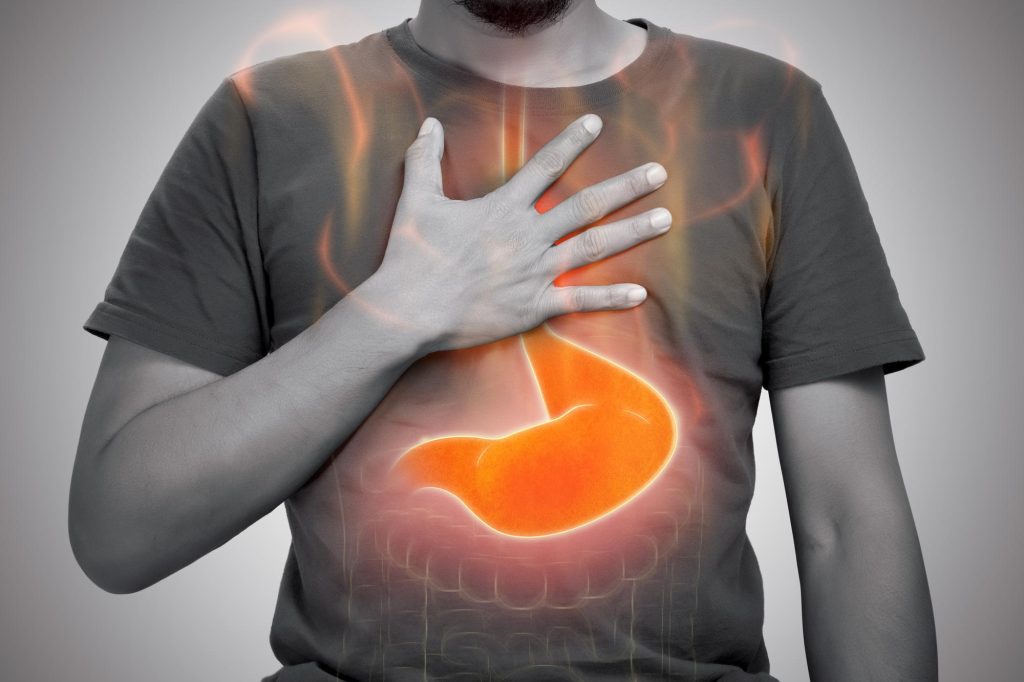
Heartburn, or acid reflux, occurs in approximately 20–40% of patients after sleeve gastrectomy — even those without preoperative GERD — and can persist long-term in up to 10% . It results from increased intragastric pressure and reduced lower esophageal sphincter (LES) function.

What Is Heartburn?

Heartburn is a burning sensation behind the breastbone caused by stomach acid moving up into the esophagus. Symptoms may include:

  • Chest pain when bending or lying down

  • Bitter or acidic taste at the back of the throat

  • Difficulty swallowing or feeling of fullness

Why Sleeve Gastrectomy Increases Risk

  • Increased Pressure: Sleeve creates a narrow gastric tube that elevates pressure in the stomach .

  • LES Dysfunction: High pressure and tubular stomach may weaken LES, allowing acid reflux

  • Pre-existing Conditions: Some patients already had reflux symptoms before surgery


 Foods to Avoid

  • Citrus fruits (orange, lemon), pineapple, kiwi

  • Tomato products, onions, garlic, peppermint

  • Chocolate, ice cream, egg yolk, pastries

  • Fried/fatty foods, full-fat dairy

  • Coffee, tea, carbonated drinks, spicy foods

 Recommended Foods

  • Carbohydrates: Rice, buckwheat, quinoa, oatmeal, boiled potatoes

  • Veggies/Fruits: Non-acidic options like bananas, melons, apples (monitor personally)

  • Protein: Lean meats (chicken, fish), low-fat cheese/yogurt, legumes, tofu

  • Fats: Nuts (soaked overnight), small amounts of olive oil, avocado

 Eating Habits

  • Eat smaller, frequent meals to avoid overstretching the sleeve

  • Do not lie down or bend forward for at least 2–3 hours after eating

  • Avoid eating just before bedtime; elevate the head of your bed if reflux occurs at night .

  • Keep a food diary to track triggers and symptoms

Medications & Clinical Options

  • Over-the-counter antacids can temporarily neutralize stomach acid.

  • Proton pump inhibitors (PPIs) or H2 blockers (prescription-strength) reduce acid production

  • For persistent or severe reflux, consult your bariatric team to explore:

    • Conversion to gastric bypass, which alleviates reflux by diverting bile and lowering pressure

    • LINX device (magnetic sphincter augmentation) to strengthen the LES


When to Seek Medical Attention

Seek professional evaluation if you experience:

  • Persistent heartburn despite lifestyle and dietary modifications

  • Symptoms of GERD (e.g. chronic regurgitation, throat irritation)

  • Esophagitis or difficulty swallowing

  • Potential complications like hiatal hernia

A recent review shows significant GERD reduction when a hiatal hernia is repaired during sleeve surgery  If reflux continues, conversion to a bypass might be the best option

Summary & Action Plan

Area Action
Diet Eliminate acid triggers; choose low-fat, non-acidic foods
Portion Control Eat smaller amounts, slower
Post-Meal Behavior Stay upright, avoid lying down for ≥2–3h
Nighttime Don’t eat before bed; elevate head of bed
Medication Use antacids / PPIs as needed
Medical Follow‑Up Consider revisional procedures if needed